Key Takeaways
- Size Difference: A tablespoon measures approximately 15 ml, whereas a dessert spoon holds about 10 ml, leading to potential under-measurement in recipes.
- Purposeful Use: Tablespoons are designed for precise ingredient measurements, while dessert spoons are more suitable for serving and enjoying smaller portions.
- Impact on Recipes: Using a dessert spoon instead of a tablespoon can significantly alter the outcome of a dish, such as under-sweetening cookies or affecting the texture of baked goods.
- Conversion Awareness: Always convert measurements accurately; relying on a dessert spoon for a tablespoon measurement can yield insufficient ingredients.
- Regional Variations: Spoon sizes can vary by region, particularly between the US and UK, affecting cooking accuracy; always check the measurement standards used in your recipes.
- Consistency is Key: Use standardized measuring spoons consistently to achieve better culinary results and ensure accuracy in ingredient proportions.
Have you ever found yourself in the kitchen, staring at a recipe that calls for a tablespoon while you only have a dessert spoon on hand? It’s a common situation that can leave you scratching your head. Knowing the difference between these two utensils can save you time and ensure your dish turns out just right.
In this article, you’ll learn whether a tablespoon is truly the same as a dessert spoon. We’ll explore their sizes, uses, and how they fit into your cooking routine. By the end, you’ll feel more confident in your measurements and ready to tackle your next recipe without a hitch.
Understanding Measuring Spoons
Measuring spoons play an essential role in cooking. They help ensure accurate measurements of ingredients, which impacts the final dish’s flavor and texture. While different spoons serve diverse purposes, knowing their specific sizes is vital for effective cooking.
Recommended Products
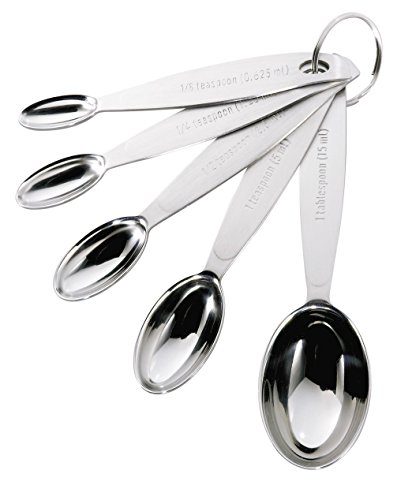
Set includes: 1/8, 1/4, 1/2, 1tsp and 1tbsp

【Selection】OstWony 5PCS measuring spoon set, made of food-grade stainless steel, for accurate and practical measurement.

GUARANTEE SAFE FOR COOKING: Are you worried about silicone and plastic tools not safe for cooking? Protect your health using our stainless steel measuring spoons which are made of food grade stainless steel
Types of Measuring Spoons
- Tablespoon
- A tablespoon (tbsp) measures approximately 15 milliliters (ml).
- Commonly used for both liquid and dry ingredients.
- Dessert Spoon
- A dessert spoon typically holds around 10 milliliters (ml).
- More suitable for serving desserts or consuming smaller portions.
Key Differences
- Volume: A tablespoon holds 5 ml more than a dessert spoon. This difference influences recipe outcomes significantly.
- Purpose: A tablespoon is used for primary ingredient measurements. Dessert spoons often serve for individual servings or less formal tasks.
Practical Usage Tips
- Conversion: When a recipe calls for a tablespoon, using a dessert spoon for measurement might yield insufficient ingredients. Adjust recipes accordingly, considering the size difference.
- Consistency: Use standardized measuring spoons rather than kitchen utensils. This practice improves consistency in cooking.
Real-World Example
For instance, if you’re baking cookies and a recipe lists 2 tablespoons of sugar, using a dessert spoon could under-measure this by 10 ml. This smaller amount may result in bland cookies. Always confirm spoon sizes when measuring ingredients.
These insights into measuring spoons guide you in making more accurate measurements in your cooking. By understanding the tools at your disposal, you’ll enhance your culinary experiences and achieve better results.
Comparison of Tablespoon and Dessert Spoon
Understanding the differences between a tablespoon and a dessert spoon helps you measure ingredients more accurately in your cooking.
Recommended Products

Packing: This set includes 4 stainless steel coffee scoops, each measuring 5.9 inches/15cm in length. With a capacity of 15ml, these measuring spoons are perfect for accurately measuring the amount of coffee grounds. They are extremely useful in the kitchen, allowing you to store them in various containers for different types of coffee, loose tea, protein powder, and more. With these scoop, you can ensure a consistent and delightful drinking experience.

Treat Yourself To A Set Worth Having - With single metal construction and heavy duty premium Stainless Steel, these measuring spoons were built with endurance in mind. Get this set that looks beautiful, performs incredibly and will seemingly last forever.

Treat Yourself To A Set Worth Having - With single metal construction and heavy duty premium Stainless Steel, these measuring spoons were built with endurance in mind. No more worrying about rusting or bending. Get this set that looks beautiful, performs incredibly and will seemingly last forever.
Size and Capacity Differences
A tablespoon measures approximately 15 milliliters (ml), while a dessert spoon typically holds around 10 ml. This difference in size can affect how recipes turn out. For example, if you use a dessert spoon instead of a tablespoon while baking, you may under-measure ingredients like sugar or flour. This discrepancy can lead to dry cakes or improperly rising bread.
Common Uses in Cooking
Tablespoons are often used for both liquid and dry ingredients, making them versatile in various recipes. You might use a tablespoon for measuring ingredients like oil, vinegar, or spices. Dessert spoons, on the other hand, tend to serve desserts or small portions, often suitable for ice cream or pudding. While they can be used for measuring, using a tablespoon ensures accuracy for recipe adherence. Always opt for the correct spoon to achieve the desired flavor and texture in your dishes.
Historical Context of Spoon Measurements
Spoon measurements trace back to ancient culinary practices. Various cultures adopted unique sizes and shapes for spoons, reflecting their needs and available materials.
- Historical Uses
Different spoon sizes served specific purposes. The tablespoon was widely used in cooking and potion-making. It provided consistent measurements for ingredients. Conversely, dessert spoons evolved mainly for enjoying sweets and desserts.
- Standardization in Measurements
By the 18th century, standardized measurements gained popularity, especially in Europe. This standardization aimed to ensure consistency in recipes. The tablespoon, set at approximately 15 milliliters, became a staple in kitchens.
- Variation Across Regions
Spoon sizes differ by regions. For instance, a tablespoon in the US differs slightly from one in the UK. Understanding these differences can help when following international recipes.
- Modern Usage
Today, measuring spoons play an essential role in cooking. They help ensure accuracy, impacting the taste and texture of your dishes. Recognizing the difference between a tablespoon and a dessert spoon aids in achieving successful cooking outcomes.
Regional Variations in Spoon Sizes
Spoon sizes can vary significantly across regions. Understanding these differences aids in accurate cooking and serving. Here are key aspects of spoon size variations:
Recommended Products

Treat Yourself To A Set Worth Having - With single metal construction and heavy duty premium Stainless Steel, these measuring spoons were built with endurance in mind. They won't rust or bend. This beautiful set performs incredibly well and was designed to last.
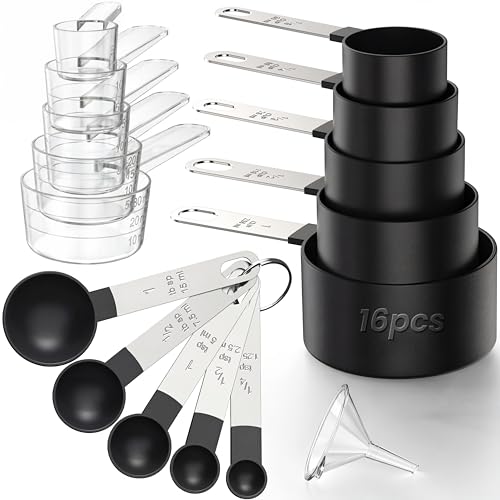
16PCS SET: Including multiple sizes, including 1cup, 1/2cup, 1/3cup, 1/4cup, 1/8cup, 30ml, 20ml, 15ml, 10ml, 5ml, 1tbsp, 1/2tbsp, 1tsp, 1/2tsp, 1/4tsp, and 1 funnel

Engraved Measuring Markings – Every copper measuring cups and spoons in this<br> set has the accurate measurements size in US and Metric <br>engraved on the handle clearly, what will help you reduce <br>any measuring errors for cooking or baking!
US vs. UK Measurements
- US Tablespoon: Measures 15 ml. Commonly used in recipes across the United States.
- UK Tablespoon: Slightly larger at 17.75 ml. May cause confusion if a US recipe is followed with UK measuring spoons.
Dessert Spoon Sizes
- US Dessert Spoon: Holds about 10 ml. Used informally for serving desserts or small portions.
- UK Dessert Spoon: Often slightly larger, around 12.5 ml. This discrepancy can affect ingredient measurements in recipes.
Specialized Measurements
- Metric vs. Imperial: Some countries use metric measurements (ml), while others use imperial (fluid ounces). This can lead to varying interpretations of spoon sizes.
- Asian vs. Western Spoons: Asian measuring spoons may be smaller, affecting ingredient quantities. Always confirm sizes when using different styles.
- Consistency Matters: Always use the same type of spoon when measuring ingredients for a recipe. This ensures more consistent results.
- Check Local Conventions: Be aware of the measuring standards in your region. If you’re cooking from a recipe, consider converting measurements if discrepancies exist.
By keeping these regional variations in mind, you can navigate ingredient measurements more effectively and enhance your cooking experience.
Conclusion
Understanding the difference between a tablespoon and a dessert spoon can make a big difference in your cooking adventures. By using the right spoon for measuring, you’ll ensure your dishes turn out just right. Remember that a tablespoon is your go-to for larger quantities while a dessert spoon is perfect for smaller servings.
Being aware of these distinctions not only helps in achieving accurate measurements but also enhances your overall cooking experience. So the next time you grab a spoon, you’ll know exactly which one to use for the best results. Happy cooking!
Frequently Asked Questions
What is the difference between a tablespoon and a dessert spoon?
A tablespoon measures approximately 15 milliliters (ml) and is used for both liquid and dry ingredients, while a dessert spoon holds around 10 ml and is more suited for serving desserts or smaller portions.
How does using a dessert spoon instead of a tablespoon affect cooking?
Using a dessert spoon can lead to under-measuring ingredients. This may result in dry cakes or improperly rising bread due to the lack of necessary ingredients.
Why is it important to use standardized measuring spoons?
Standardized measuring spoons ensure consistent ingredient measurements, impacting the flavor and texture of the final dish. Using the same type of spoon for measuring is essential for reliable results.
Are there differences in spoon sizes between the US and the UK?
Yes, the US tablespoon measures 15 ml, while the UK tablespoon is larger at 17.75 ml. Similarly, the US dessert spoon holds about 10 ml, compared to the UK’s 12.5 ml.
What are the historical origins of spoon measurements?
Spoon measurements date back to ancient culinary practices, with various cultures adopting unique sizes. By the 18th century, standardized measurements became popular, especially in Europe, leading to the tablespoon’s use as a cooking staple.