Ever wondered what Italians really eat for lunch? It’s not just about pasta and pizza. Lunchtime in Italy is a delightful experience filled with fresh ingredients and traditional flavors that vary by region.
Key Takeaways
- Diverse Cuisine: Italian lunches encompass a wide range of traditional dishes beyond pasta and pizza, reflecting regional flavors and fresh ingredients.
- Regional Specialties: Northern and Southern Italian lunches differ significantly, featuring hearty risottos in the North and vibrant, lighter seafood and vegetable dishes in the South.
- Key Ingredients: Common ingredients like fresh tomatoes, seasonal vegetables, cheeses, and cured meats are essential in Italian lunches, enhancing flavor and nutritional value.
- Social Experience: Lunch in Italy is a cultural event, prioritizing social interaction and relaxation, often lasting several hours.
- Typical Lunch Timing: Lunchtime is generally between 12:30 PM and 2:30 PM, with variations based on regional customs, revealing the importance of savoring meals.
Traditional Italian Lunch Dishes
Traditional Italian lunch dishes are vibrant and diverse, showcasing regional flavors and fresh ingredients. Expect lunch in Italy to be a delightful experience, with various options to satisfy your palate.
Recommended Products
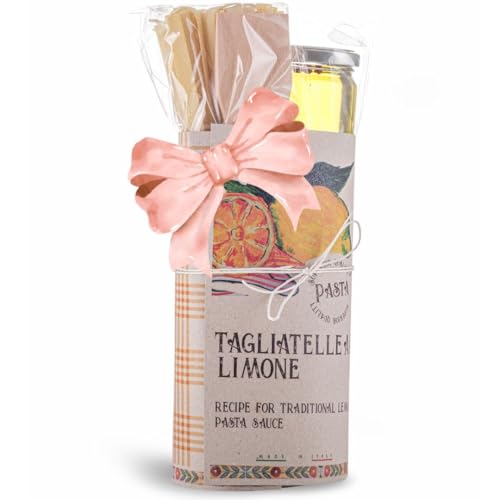
Artigiani dei Sapori Pasta Gift Set: Experience the perfect harmony of flavors with our Tagliatelle Pasta paired with Lemon Sauce, curated by the esteemed brand Artigiani dei Sapori.

Organic Italian herb pasta sauce made with premium tomatoes

🍝 Premium Quality Ingredients: Made with the finest Italian ingredients, our Pasta Gift Set features high-quality spaghetti and a delicious sauce crafted from garlic, olive oil, and chili pepper. Each component is carefully selected to ensure an authentic and flavorful pasta experience.
Pasta Varieties
Pasta plays a significant role in Italian lunches. You can find many types of pasta dishes, including:
- Pasta al Pomodoro: A simple dish with fresh tomatoes, garlic, and basil.
- Pasta alla Carbonara: A creamy preparation featuring eggs, cheese, pancetta, and pepper.
- Pasta Puttanesca: A robust sauce made from tomatoes, olives, capers, and garlic.
- Pasta e Fagioli: A comforting soup combining pasta and beans with aromatic herbs.
Each region boasts unique pasta offerings, celebrating local ingredients and culinary traditions.
Rice Dishes
Rice dishes also hold a special place in Italian cuisine, particularly in northern regions. Popular rice dishes include:
- Risotto alla Milanese: Creamy risotto made with saffron, providing a rich flavor and golden hue.
- Risotto ai Funghi: Earthy mushrooms impart a deep taste to this classic risotto.
- Arancini: Fried rice balls filled with meat, cheese, or peas, perfect for a savory snack.
These rice options demonstrate the versatility of this ingredient and its ability to elevate a meal.
Meat and Fish Options
Italian lunches often feature hearty meat and fish dishes, prepared with care and attention. Key options include:
- Osso Buco: Braised veal shanks cooked with vegetables, white wine, and broth, renowned for its tenderness.
- Saltimbocca: Thinly sliced veal wrapped in prosciutto, cooked with sage for a distinctive flavor.
- Branzino al Sale: Whole sea bass baked in salt, resulting in a moist and flavorful fish.
- Grilled Vegetables: Served alongside meats or fish, these offer a healthy and tasty complement.
These dishes reflect Italy’s rich culinary heritage, making lunchtime an enjoyable affair.
Regional Differences in Lunch
Italian lunches vary greatly, showcasing the unique flavors and ingredients from each region. Understanding these differences enriches your culinary experience and appreciation of Italian cuisine.
Recommended Products

FLAVORFUL- The key ingredient for authentic risotto is Arborio rice. Alessi risotto is the perfect mixture of creamy deliciousness. Do yourself a favor and grab a couple of Alessi’s top selling flavors and enjoy the taste of Italy.
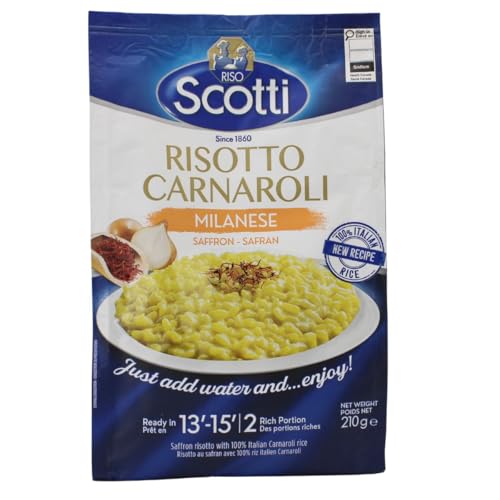
✔ THE SECRET FOR A PERFECT RISOTTO – Scotti family knows that the secret for a delicious risotto is in the quality of the rice. For five generations the Scotti family have been producing this spectacular and super easy to use rice so now you can create the authentic Italian experience with your own hands.

FAMILY MADE: Premium gourmet Saffron Risotto brand that is imported and made in Italy. Enjoy an authentic taste of carefully-crafted Italian Risotto in every bite!
Northern Italy
In Northern Italy, you encounter rich and hearty dishes. Meals often feature creamy risottos, fresh polenta, and savory meat options. Locations like Milan favor Risotto alla Milanese, made with saffron, which gives it a distinct flavor and color. The Veneto region showcases Cicchetti, small snacks or appetizers enjoyed with wine. Fresh vegetables, butter, and cheese play a significant role, with dishes like Gorgonzola and Taleggio cheese being frequently used.
Southern Italy
Southern Italy emphasizes lighter dishes with bright, bold flavors. You’ll find an abundance of fresh tomatoes, olive oil, and seafood. The region is famous for Pasta alla Puttanesca, made with tomatoes, olives, and capers, reflecting the vibrant Mediterranean influence. In Sicily, you might enjoy Arancini, deep-fried rice balls filled with meat or cheese. Fresh herbs like basil and oregano elevate the flavors, making meals colorful and fragrant. Vegetables also take center stage, with ratatouille-like dishes often served alongside.
Exploring these regional differences adds depth to your understanding of what Italians enjoy for lunch.
Common Ingredients Used
Italian lunches incorporate a variety of fresh and vibrant ingredients that cater to different regional tastes. You’ll often find these staples in many dishes, enhancing flavors and providing nutritional value.
Fresh Vegetables
Fresh vegetables serve as a cornerstone of Italian lunchtime cuisine. Commonly used vegetables include:
- Tomatoes: Essential for sauces and salads, fresh tomatoes add sweetness and acidity.
- Bell Peppers: Often roasted or included in antipasto, bell peppers bring color and crunch.
- Zucchini: Used in pastas or grilled, zucchini offers a delicate flavor that complements many dishes.
- Eggplant: Featured in Caponata, this versatile vegetable adds depth and richness.
Seasonal produce influences lunch options, ensuring every dish celebrates local availability and freshness.
Cheeses and Meats
Cheeses and meats provide both flavor and texture to Italian meals. Important ingredients include:
- Mozzarella: This soft cheese often appears in Caprese salads and melts beautifully in baked dishes.
- Parmesan: Grated on pastas or risottos, Parmesan adds a salty, nutty finish.
- Prosciutto: This cured ham often finds its way into sandwiches or antipasti plates, offering a savory, delicate taste.
- Salami: Sliced for panini or served with cheese, salami brings a rich, robust flavor to the table.
These ingredients not only satisfy your palate but also showcase the regionally inspired combinations that define Italian lunches.
Lunch Culture in Italy
Lunch in Italy represents more than just a meal; it embodies social interaction and tradition. Italians dedicate substantial time to this midday break, often viewing it as a chance to reconnect with family, friends, or colleagues.
Social Aspects of Lunch
Lunch serves as a communal experience, fostering connection and conversation. Gathering around the table encourages bonding among family or colleagues, often leading to lively discussions and laughter. You’ll find that many businesses close during lunch hours to allow employees to enjoy their meal at home or in nearby trattorias. This cultural practice highlights the importance of relationships in Italian society.
Typical Lunch Hours
In Italy, lunch typically occurs between 12:30 PM and 2:30 PM. Lunch start times can vary by region; northern Italians might eat slightly earlier than those in the south. While some people prefer a quick meal, others indulge in a lengthy lunch, stretching for two hours or more, especially on weekends. This leisurely pace allows ample time to savor food and enjoy each other’s company.
Conclusion
Lunchtime in Italy is more than just a meal; it’s a cherished tradition that brings people together. With a variety of dishes that reflect the country’s rich regional diversity, you can explore flavors that range from hearty and comforting to light and zesty.
Whether you’re enjoying a creamy risotto in the north or a fresh seafood pasta in the south, each bite tells a story of local ingredients and culinary heritage. So next time you think about lunch, remember the Italian way of savoring every moment and every flavor. It’s an experience you won’t want to miss.
Frequently Asked Questions
What are common ingredients in Italian lunchtime dishes?
Italian lunches often feature fresh vegetables like tomatoes, zucchini, and bell peppers, which enhance flavors. Cheeses such as mozzarella and Parmesan, along with cured meats like prosciutto and salami, are essential for adding taste and texture. Seasonal produce is crucial as it ensures dishes celebrate local availability and freshness.
What are some traditional Italian lunch dishes?
Traditional Italian lunch dishes include Pasta al Pomodoro, Pasta alla Carbonara, and Pasta Puttanesca, representing various regions. In Northern Italy, Risotto alla Milanese is a favorite, while Southern Italy boasts lighter dishes like Sicilian Arancini. Hearty options also include Osso Buco and Branzino al Sale.
Why is lunch culturally significant in Italy?
Lunch in Italy is a time for social interaction and family bonding. It is viewed as an important midday break, allowing people to reconnect with loved ones and colleagues. Many businesses close during lunch hours to ensure employees can enjoy their meals leisurely, typically between 12:30 PM and 2:30 PM.
How does the Italian lunch differ between regions?
Italian lunches vary significantly by region. Northern Italy often features rich, creamy dishes like risottos, while Southern Italy focuses on bold flavors with fresh tomatoes, olive oil, and seafood. This regional diversity adds depth to the culinary experience, showcasing Italy’s local ingredients and traditions.
How long do Italians typically take for lunch?
Italians dedicate substantial time to lunch, which can range from quick meals to lengthy gatherings, particularly on weekends. During this time, they savor food and engage in conversation, with many people enjoying their lunch for one to two hours, depending on the region and occasion.