Key Takeaways
- Understand Diarrhea: Diarrhea can stem from infections, food intolerances, medications, and underlying health conditions, leading to frequent, watery stools and dehydration.
- Gentle Foods to Eat: Opt for easy-to-digest foods such as bananas, rice, applesauce, toast, boiled potatoes, and steamed carrots to help manage symptoms and provide necessary nutrients.
- Foods to Avoid: Steer clear of dairy, fatty or spicy foods, caffeine, alcohol, high-fiber foods, and artificial sweeteners, as they can worsen diarrhea and irritation.
- Hydration is Key: Maintain hydration by drinking water, electrolyte drinks, clear broths, and herbal teas to replenish lost fluids and support recovery.
- Simple Meal Ideas: Meal ideas like banana rice bowls, applesauce toast, boiled potato mash, and carrot soup offer nourishment while being easy on the digestive system.
Feeling under the weather and dealing with diarrhea can make lunchtime feel like a challenge. What can you eat that won’t upset your stomach even more? You’re not alone in this; many people find themselves searching for safe and soothing options when their digestive system is acting up.
Understanding Diarrhea
Diarrhea involves frequent, watery bowel movements and can lead to dehydration. Knowing its causes and symptoms aids in managing your condition effectively.
Causes of Diarrhea
Common causes of diarrhea include:
- Infections: Viral, bacterial, or parasitic infections can disrupt digestion. Rotavirus and E. coli are typical examples.
- Food intolerances: Lactose intolerance and gluten sensitivity may trigger diarrhea after consuming certain foods.
- Medications: Antibiotics often disrupt gut bacteria, leading to diarrhea.
- Underlying health conditions: Conditions like irritable bowel syndrome (IBS) and inflammatory bowel disease (IBD) can cause chronic diarrhea.
Symptoms to Look For
- Frequent urges: You may experience increased urgency to use the bathroom.
- Watery stools: Stools may appear loose and watery.
- Abdominal cramps: Cramping or bloating may accompany bowel movements.
- Dehydration signs: Watch for thirst, dizziness, or decreased urination, indicating potential dehydration.
Dietary Guidelines for Diarrhea
Selecting the right foods during a bout of diarrhea can significantly impact recovery. Focus on gentle options that ease symptoms and provide nutrients.
Recommended Products

One 5 pound bag of Enriched White Long Grain Rice

REIMAGINE TRADITIONAL: Craft your favorite recipes in a whole new way with Mahatma Extra-Long-Grain Rice. This long-grain white rice works with any flavor combination and always turns out light and fluffy!
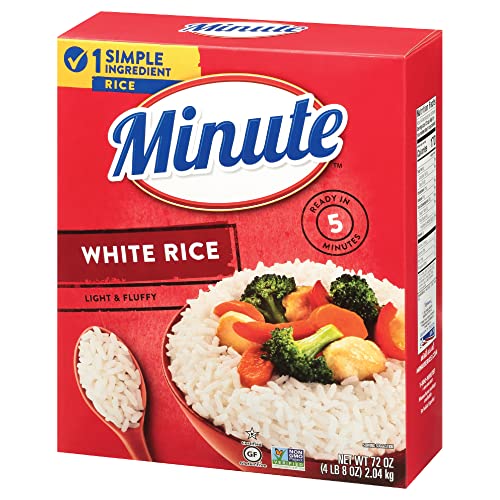
QUICK & TASTY EVERY TIME: You deserve to sit down and savor your meals. Our Minute rice has you covered with our light and fluffy white rice! Use the simple instructions to cook delicious instant-rice recipes that any meat-lover, vegan, or vegetarian will enjoy!
Foods to Include
- Bananas: Bananas are easy to digest and rich in potassium, which helps replace lost electrolytes.
- Rice: Plain white rice acts as a binding agent, firming up stools and providing energy without irritating the stomach.
- Applesauce: Applesauce contains pectin, which can help absorb excess water in the intestines.
- Toast: Plain, white toast is bland and can help settle your stomach while offering carbohydrates for energy.
- Broth: Clear broth delivers hydration and electrolytes, helping prevent dehydration without causing further discomfort.
- Boiled Potatoes: Plain boiled potatoes are gentle on the stomach and rich in potassium, aiding in recovery.
- Steamed Carrots: Steamed carrots are easily digestible, provide vitamins, and can help solidify stools.
- Chicken: Lean boiled or baked chicken offers protein while being low in fat, making it easier to digest.
Foods to Avoid
- Dairy Products: Milk, cheese, and yogurt can worsen diarrhea, especially if lactose intolerance is present.
- Fatty Foods: Fried foods or heavy sauces can irritate the digestive system and should be avoided.
- Spicy Foods: Spices can trigger further gastrointestinal discomfort, leading to worsening symptoms.
- Caffeinated Beverages: Caffeine can stimulate the intestines, potentially increasing the frequency of bowel movements.
- Alcohol: Alcohol can irritate the gut and lead to dehydration, hindering recovery.
- High-Fiber Foods: Beans, whole grains, and nuts may exacerbate bloating or cramping during diarrhea.
- Artificial Sweeteners: Sorbitol and other sweeteners can have a laxative effect, worsening symptoms.
By focusing on easy-to-digest foods and avoiding triggers, you can help manage diarrhea effectively.
What to Eat for Lunch If You Have Diarrhea
Choosing the right foods for lunch during a bout of diarrhea helps manage symptoms and aids recovery. Stick to light and easy-to-digest options to promote better digestion.
Recommended Products

One 2 pound bag of Enriched White Long Grain Rice

DELICIOUS WHITE RICE: You deserve to sit down and savor your meals. Our Success rice bags have you prepared with our precooked and fluffy white rice! Cook quick and tasty rice that any meat lover, vegan, or vegetarian will enjoy.

DELICIOUS WHITE RICE: You deserve to sit down and savor your meals. Our Success rice bags have you prepared with our precooked and fluffy white rice! Cook quick and tasty rice that any meat lover, vegan, or vegetarian will enjoy.
Light and Easy-to-Digest Options
Focus on low-fiber foods that are gentle on your stomach. Here are some options:
- Bananas: They provide potassium and are easy to digest.
- Rice: White rice acts as a binding food, helping firm up stools.
- Applesauce: This soft option contains pectin, which can help ease diarrhea.
- Toast: Plain white toast offers a bland option that’s simple on the gut.
- Boiled Potatoes: They are filling and easy on the digestive system.
- Steamed Carrots: Soft, cooked carrots are nutritious and gentle.
These foods help restore nutrients lost due to diarrhea while causing minimal irritation.
Meal Ideas and Recipes
Here are some simple meal ideas using the recommended foods:
- Banana Rice Bowl:
- Cook white rice according to package instructions.
- Mash a ripe banana and stir it into the warm rice.
- Optional: Add a sprinkle of cinnamon for flavor.
- Applesauce Toast:
- Toast a slice of plain white bread.
- Spread a generous layer of unsweetened applesauce on top.
- Serve with a side of sliced banana.
- Boiled Potato Mash:
- Peel and cube 1-2 potatoes. Boil until soft.
- Mash with a bit of salt and a splash of chicken broth for taste.
- Carrot Soup:
- Boil chopped carrots in water until tender.
- Puree until smooth and season lightly.
- Serve warm for a soothing lunch.
These meal ideas provide nourishment and comfort while being easy to prepare.
Importance of Hydration
Staying hydrated during diarrhea is crucial to prevent dehydration. Diarrhea can lead to a significant loss of fluids and electrolytes, which can weaken your body and prolong recovery.
Recommended Products
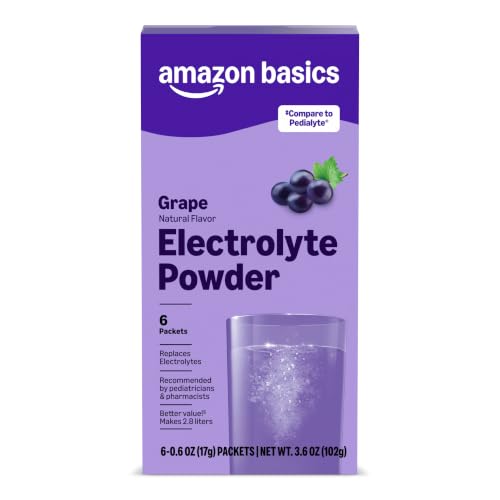
SHIPMENT CONTAINS: 6 electrolyte powder packets that mix with 16 fl oz water for fast rehydration; grape flavor provides a satisfying taste
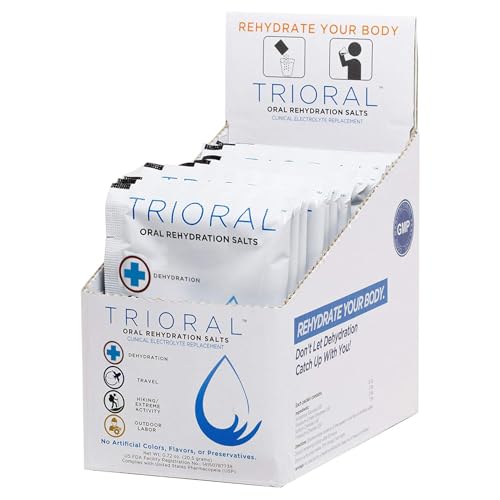
RAPID REHYDRATION FORMULA: Mix one packet into a liter of water for 3x the hydration of regular water. This electrolyte powder ensures faster electrolyte replenishment, making it an essential part of your hydration routine for sports, and outdoor activities. Stay hydrated and energized with every drink.

All Natural Rapid Hydration - A clean, daily electrolyte drink mix optimized to hydrate you rapidly. These rehydration powder packets are zero calorie and made with only the essentials helping you stay hydrated all day long
Recommended Fluids
Focus on consuming fluids that replenish lost electrolytes and keep you hydrated. Here are some excellent options:
- Water: Drink plain water throughout the day to stay hydrated.
- Electrolyte drinks: Choose drinks like Pedialyte or sports drinks. These can help restore essential electrolytes.
- Broth: Sip on chicken or vegetable broth for both hydration and nourishment.
- Herbal teas: Ginger or chamomile tea can soothe your stomach while providing hydration.
Foods with High Water Content
Incorporate foods with high water content into your meals. These can enhance hydration and provide necessary nutrients. Consider these options:
- Watermelon: Contains about 92% water, making it refreshing and hydrating.
- Cucumbers: With roughly 95% water, they are gentle on the stomach.
- Oranges: Juicy and hydrating, oranges also provide vitamin C.
- Zucchini: This versatile vegetable is about 94% water and easy to digest.
By prioritizing hydration through fluids and hydrating foods, you can support your recovery during diarrhea.
Conclusion
Finding the right lunch when you’re dealing with diarrhea can feel challenging but it doesn’t have to be. By choosing gentle and easy-to-digest foods you can help soothe your stomach and support your recovery. Remember to keep hydration a priority as well since it’s essential for getting back on track.
Whether you opt for a simple Banana Rice Bowl or a comforting Carrot Soup these meals can provide the nourishment you need without adding to your discomfort. Listen to your body and give it the care it deserves. You’ll be feeling better in no time.
Frequently Asked Questions
What causes diarrhea?
Diarrhea can result from various factors, including viral infections (like rotavirus), bacterial infections (such as E. coli), food intolerances (like lactose and gluten), medications (especially antibiotics), and underlying health conditions (like irritable bowel syndrome).
What are the common symptoms of diarrhea?
Common symptoms of diarrhea include frequent urges to use the bathroom, watery stools, abdominal cramps, and signs of dehydration such as increased thirst, dizziness, and dry mouth.
What foods should I eat during diarrhea?
When experiencing diarrhea, it’s best to consume easy-to-digest foods like bananas, rice, applesauce, toast, boiled potatoes, steamed carrots, and lean chicken. These foods are gentle on the stomach and help restore nutrients.
What foods should I avoid when I have diarrhea?
Avoid dairy products, fatty foods, spicy foods, caffeinated beverages, alcohol, high-fiber foods, and artificial sweeteners, as they can aggravate symptoms and prolong recovery.
How can I stay hydrated during diarrhea?
To prevent dehydration during diarrhea, drink plenty of fluids such as water, electrolyte drinks, broth, and herbal teas. Incorporating high-water content foods like watermelon, cucumbers, and oranges can also enhance hydration.
Can you suggest quick meal ideas for lunch during diarrhea?
Simple lunch ideas include a Banana Rice Bowl, Applesauce Toast, Boiled Potato Mash, and Carrot Soup. These meals are comforting, easy to prepare, and nourishing, aiding in recovery while being gentle on the stomach.
How does diarrhea affect nutrition?
Diarrhea can lead to a loss of important nutrients and fluids, making it crucial to choose nourishing foods that are easy to digest. Focus on gentle options to help restore lost nutrients and maintain energy levels during recovery.