Key Takeaways
- Understanding Meal Components: Grasp the significance of starters, main courses, and desserts in meal planning to enhance your dining experience.
- Starter Choices: Select light and flavorful starters, like soups or salads, to stimulate appetite and set a welcoming tone.
- Focal Point of the Meal: The main course is the centerpiece, featuring heartier ingredients; aim for balance in flavors compared to the other courses.
- Sweet Finale with Desserts: Desserts provide a memorable conclusion with options like cakes and pies, complementing or contrasting the preceding dishes.
- Flavor and Texture Harmony: Ensure each course maintains complementary flavors and textures, enhancing the overall dining experience.
- Seasonal Selection: Incorporate seasonal ingredients for freshness and relevance, creating a well-rounded and enjoyable meal.
Have you ever sat down at a restaurant and felt overwhelmed by the menu? You see terms like starter, main course, and dessert, but what do they really mean? Understanding these meal components can enhance your dining experience and help you make better choices.
Imagine you’re hosting a dinner party and want to impress your guests. Knowing how to structure a meal with a starter, main course, and dessert can take your hosting skills to the next level. This article will break down each course, providing you with tips on selecting the perfect dishes to create a memorable meal. By the end, you’ll feel confident in planning your next culinary adventure.
Understanding Starter Main Course Dessert
Understanding the three main components of a meal—starter, main course, and dessert—enhances the dining experience. Each dish serves a unique purpose and contributes to the overall enjoyment of the meal.
Starters
Starters, commonly known as appetizers, set the stage for the meal. They are light dishes meant to stimulate your appetite. Examples include:
- Soup: A warm, comforting choice like tomato basil or French onion.
- Salad: A fresh option such as Caesar or mixed greens.
- Finger Foods: Bite-sized items like bruschetta or shrimp cocktail.
Choose a starter that aligns with the theme of your meal and complements the main course.
Main Course
The main course, or entrée, is the highlight of your meal. It generally features heartier ingredients and a more substantial portion size. Consider the following types:
- Meat Dishes: Options like grilled chicken, beef steak, or roast pork.
- Fish: Selections such as salmon, tuna, or various shellfish.
- Vegetarian Options: Dishes like stuffed bell peppers or mushroom risotto.
Aim for balance in flavors and textures when selecting the main course. It should provide a satisfying transition from the light starter to the sweeter dessert.
Desserts
Desserts are the grand finale of your meal, offering a sweet closure. They often refresh the palate after the heartiness of the main course. Typical dessert choices include:
- Cakes: Rich varieties like chocolate or carrot cake.
- Pies: Classics such as apple or pecan pie.
- Ice Cream: Creamy options with various flavors.
When choosing dessert, consider how it can complement or contrast with the other courses to create a memorable finish.
- Match Flavors: Ensure your courses maintain a consistent flavor profile.
- Consider Dietary Restrictions: Address any allergies or dietary preferences when planning.
- Theme Coordination: Aim for a cohesive theme throughout the meal, from starters to desserts.
Using this structure and keeping flavor in mind helps create an enjoyable dining experience. Understanding each component enhances your confidence in meal planning, whether dining out or hosting.
The Importance of Each Course
Understanding the role of each course in a meal elevates your dining experience. Each component contributes uniquely to the overall flavor and enjoyment.
Recommended Products

3-piece set of premium porcelain serving platters for food service including restaurants, catering, parties, and everyday use; 3 different sizes including large: 12.75 x 6.97 inches; medium: 11 x 5.9 inches; and small: 10 x 5.2 inches
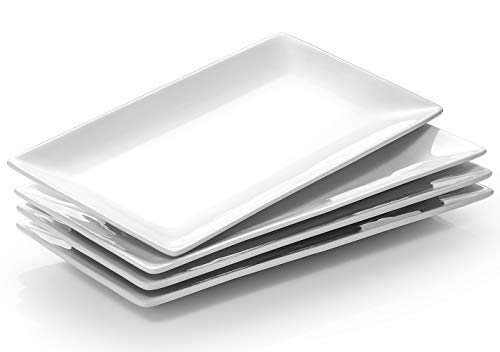
Versatile in Application - Each serving platter measures 9.7 x 5.4 inches. Great size for displaying a variety of food such as cakes, meat, appetizers, sushi, fruit, snack, raw veggies, and other pastries. Serving dishes ideal for the tea party, dinner party, birthday, wedding, Thanksgiving, Christmas or daily use.

Ideal Capacity for Everyday Entertaining: Set of 4 serving platters (13.5" × 9.5" top, 12.2" × 8.3" base) feature 1.3" raised edges to keep food in place. Ideal for serving warm dishes (below 70°C), desserts, cookies, snacks, fruits, appetizers, veggies, charcuterie boards, burgers, BBQ items, or a relatively small party spread. Plus, Larger sizes and more quantities are offered if you need more serving space
Role of Starters
Starters, or appetizers, serve as an inviting introduction to the meal. They stimulate your appetite and set the tone for what’s to come. Common examples include small plates like bruschetta, shrimp cocktails, and vegetable spring rolls. Choosing light and flavorful starters encourages conversation and enhances the dining atmosphere. Consider pairing starters with wines or cocktails to complement the dishes and spark interest.
Significance of Main Courses
Main courses act as the centerpiece of the meal. They’re often heartier, featuring ingredients like grilled chicken, roasted vegetables, or rich pasta dishes. The main course delivers a satisfying balance of flavors and textures. Select a dish that complements your starters while introducing new elements. For instance, if you served a light salad as a starter, a more substantial entrée, like beef stew, creates contrast. This thoughtful progression aids in crafting a memorable meal.
Dessert’s Impact on Dining Experience
Desserts offer a sweet conclusion, leaving a lasting impression. Choices like chocolate mousse, fruit tarts, or gelato provide a refreshing end. A well-chosen dessert can evoke emotions and foster connections. Consider matching dessert flavors with the preceding courses for harmony. If a fruity starter was served, a light berry dessert enhances the meal’s continuity. Desserts often spark conversations about preferences, making the dining experience more interactive and enjoyable.
Popular Starters, Main Courses, and Desserts
Understanding popular dishes adds excitement to your meal planning. Starters, main courses, and desserts come together to create a satisfying dining experience.
Recommended Products
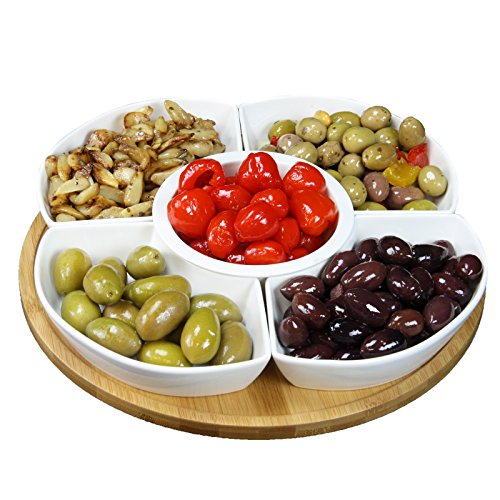
Wow your guests with the beautiful and elegant serve ware set from the Elama signature collection

ATTENTION: Our charming chip and dip bowl is loved for its cute design, vintage look, and ease of storage. Please CHECK THE DIMENSIONS carefully to ensure they meet your needs. Enjoy the beauty and practicality of our bowls, tailored to your preferences

3 TIER SERVING TRAY DISPLAY: The 3 tiered tray stand allows you to show a variety of treats in one compact space. The ample surface area allows them to hold a greater variety of foods, such as cakes, fruits, desserts, appetizers, snacks, etc. The white serving plate can also be used individually for daily use.
Examples of Starters
Starters provide an appealing introduction to your meal. Here are some common options:
- Soups: Tomato basil, minestrone, and butternut squash offer warmth and flavor.
- Salads: Caesar, Greek, and caprese salads add freshness and crunch.
- Finger Foods: Spring rolls, bruschetta, and deviled eggs encourage sharing and conversation.
Common Main Course Selections
The main course features heartier fare, central to the dining experience. Consider these selections:
- Meats: Grilled chicken, beef steak, and roasted lamb deliver rich flavors.
- Fish: Salmon, cod, and seabass provide healthy protein options.
- Vegetarian: Stuffed bell peppers, mushroom risotto, and vegetable stir-fry satisfy plant-based eaters.
Famous Desserts Around the World
Desserts serve as a sweet conclusion to your meal. Explore these global favorites:
- Cakes: Chocolate cake, cheesecakes, and tiramisu charm sweet tooths.
- Pies: Apple pie, pecan pie, and key lime pie offer comforting flavors.
- Ice Cream: Gelato, sorbet, and traditional ice cream provide refreshing options.
Selecting the right items for each component enhances your dining experience, making meals memorable and enjoyable.
Pairing Starters, Main Courses, and Desserts
Pairing different courses in a meal enhances the overall dining experience. It creates a cohesive flow that invites enjoyment at every bite.
Recommended Products
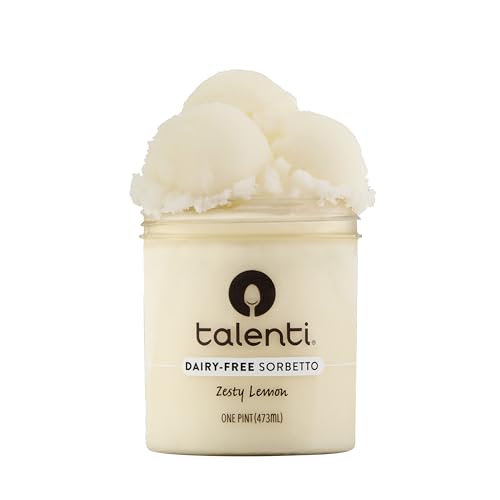
No hydrogenated fats or high fructose corn syrup allowed in any food

Talenti Dairy-Free Alphonso Mango Sorbetto 1 pint

RASPBERRY SORBET: Delicious raspberry that's refreshing and smooth
Flavor Harmonies
Balancing flavors across courses enriches your meal. Aim for complementary tastes. For instance, if your starter features tangy components like lemon vinaigrette on a salad, consider a main course with mild-rich flavors, like roasted chicken with herbs. When it comes to dessert, a chocolate cake pairs nicely with a light, fruity sorbet, rounding out the meal perfectly.
Also, consider texture contrast. If your main course is creamy, a crunchy starter can stimulate your palate. Desserts like panna cotta offer a velvety finish after a heartier meal.
Seasonal Considerations
Embrace the seasons when planning your courses. Seasonal ingredients often taste better and help the meal feel fresh and relevant. For a summer dinner, choose light, refreshing starters like gazpacho. For the main course, grilled fish or a vegetable medley works brilliantly with the season’s bright flavors.
In fall, opt for pumpkin soup as a starter, followed by a hearty beef stew. Finish with a spiced apple crisp. This approach not only highlights seasonal produce but also elevates your meal’s comfort and enjoyment. Remember, ingredients in season tend to be fresher and more flavorful, enhancing your overall dining experience.
Conclusion
Understanding starters main courses and desserts can truly transform your dining experiences. By thoughtfully selecting each component you can create a meal that delights both the palate and the mind. It’s all about balance and harmony between flavors and textures.
Whether you’re dining out or hosting a gathering let your creativity shine. Experiment with different combinations and seasonal ingredients to keep things fresh and exciting. Remember that each course plays a unique role in the overall experience and can evoke emotions and spark conversations.
So next time you plan a meal think about how each part fits together. With a little attention to detail you can craft memorable dining moments that you and your guests will cherish. Enjoy the journey of creating delicious meals that bring people together.
Frequently Asked Questions
What are the components of a meal?
A meal typically consists of three main components: starters (appetizers), main courses (entrées), and desserts. Starters stimulate the appetite, main courses showcase the primary flavors and textures, and desserts provide a sweet ending to the dining experience.
Why are starters important in a meal?
Starters, such as soups and salads, serve as an inviting introduction to a meal. They stimulate the appetite and enhance conversation, setting a positive tone for the dining experience.
How can I select the right main course?
When choosing a main course, consider the flavors and textures of the starters. Aim for dishes that create a balance, such as grilled meats, hearty vegetarian options, or fish, ensuring they complement the overall meal theme.
What role do desserts play in a meal?
Desserts, including cakes and ice creams, offer a sweet finale that refreshes the palate. They can evoke emotions and foster connections among diners, enhancing the overall dining experience.
How should I match flavors across courses?
To create a harmonious meal, pair flavors and textures thoughtfully. For instance, choose a tangy starter to contrast with a milder main course and a light dessert. This balance enhances satisfaction and enjoyment.
Why should I consider seasonal ingredients?
Using seasonal ingredients elevates the meal’s freshness and comfort. Incorporating dishes that reflect the season, like gazpacho in summer or pumpkin soup in fall, showcases local produce and enhances the overall dining experience.